
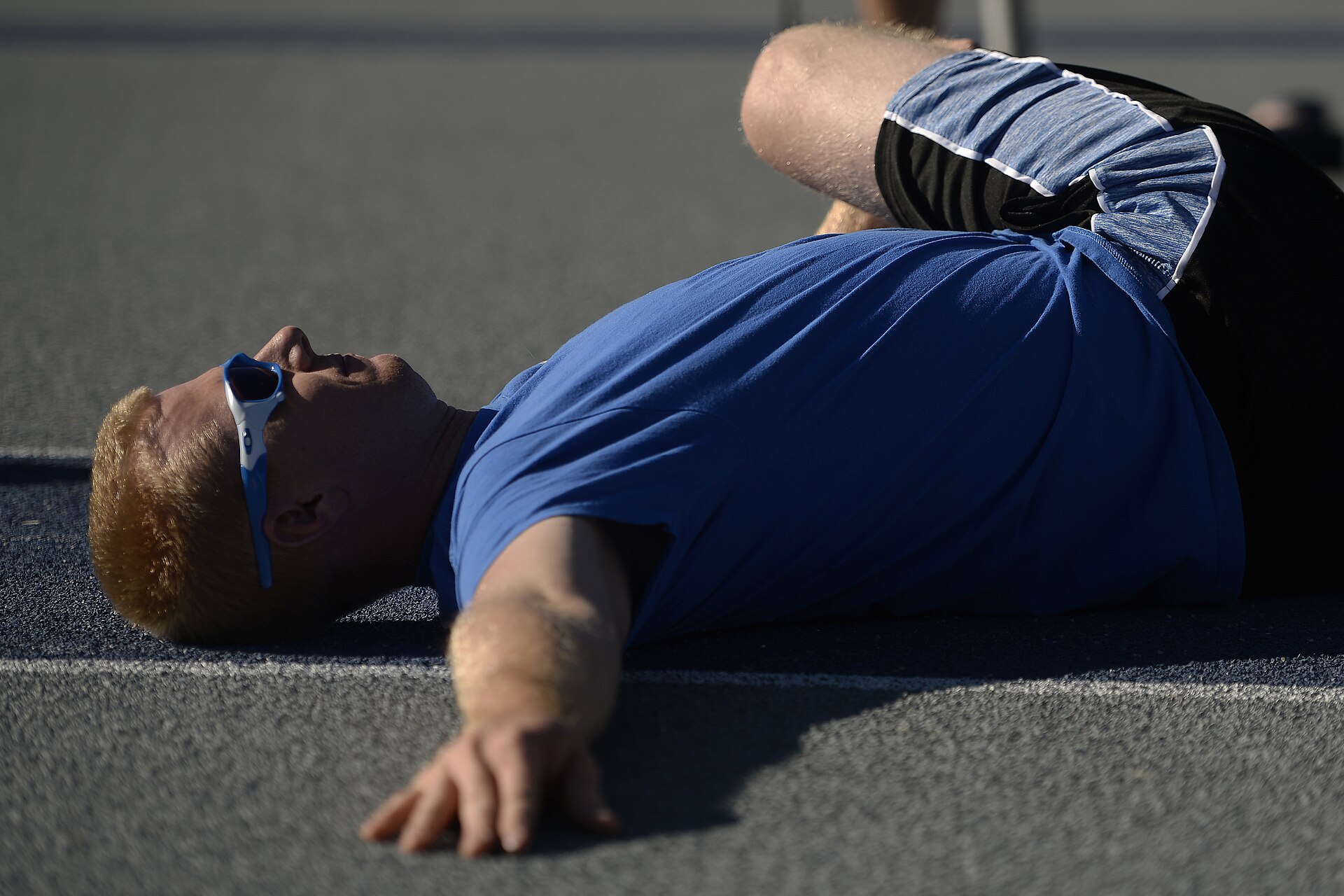
For decades, the culture of elite sport celebrated exhaustion. Training was measured in suffering, rest days were quietly suspected of softness, and the athlete who did the most was assumed to be the athlete who would win. Sports science has spent the past twenty years dismantling that idea. The modern view is almost the opposite: training provides the stimulus, but it is during recovery that the body actually adapts, repairs and becomes stronger. Rest, it turns out, is not the absence of training. It is half of it.
At Ordre PMU Turf we cover performance in all its forms, and the recovery revolution is reshaping everything from football to horse racing. The tools have become sophisticated, but the underlying lesson is simple enough for any amateur to use.
Sleep, the original performance tool
Ask recovery specialists where the biggest gains hide and most give the same unglamorous answer: sleep. During deep sleep the body releases growth hormone, consolidates motor learning and clears metabolic waste from the brain. Athletes who extend their sleep have repeatedly been shown to sprint faster, react quicker and report better mood. The NHS guidance for the general public — seven to nine hours for most adults — turns out to be a floor, not a ceiling, for people in heavy training.
Teams now employ sleep coaches, schedule flights around circadian rhythms, and treat hotel blackout curtains with the seriousness once reserved for tactics boards. Naps, carefully timed, have moved from indulgence to protocol.
Measuring the invisible
The second pillar of the revolution is measurement. Wearable sensors track heart-rate variability, resting heart rate, sleep stages and training load, giving coaches a daily estimate of whether an athlete is absorbing work or drowning in it. GPS vests quantify sprint distances and collisions. Blood markers and jump tests flag fatigue before it becomes injury.
The art lies in interpretation. A single amber metric means little; patterns across weeks mean a great deal. The research literature, including reviews in the British Journal of Sports Medicine, consistently warns that data should guide conversations rather than replace them — the athlete’s own reported readiness remains one of the most reliable signals of all.
Cold, compression and honest questions
Not every fashionable tool survives scrutiny. Ice baths became ubiquitous, then studies suggested that using them after every strength session might blunt the very adaptations athletes train for — fine before a tournament match, counterproductive in a building phase. Compression garments and massage guns show modest, mixed effects. Many recovery aids work partly because athletes believe in them, and sports scientists increasingly say that is not a reason to dismiss them, provided the basics are in place.
The hierarchy matters: sleep, nutrition and sensible load management deliver most of the benefit. Nutrition sits alongside sleep in the top tier — protein for repair, carbohydrate to refill glycogen, and enough total energy to avoid the low-energy state now linked to illness and injury. Everything else is decoration on a foundation that cannot be skipped.
What amateurs can borrow
Weekend athletes do not need a laboratory. They need the same fundamentals, applied consistently: protect sleep in the two nights after hard sessions, eat enough protein and carbohydrate to refuel, alternate hard and easy days, and treat persistent fatigue or falling performance as information rather than weakness. Two genuinely easy days a week protect the hard ones. A cheap training diary captures most of what expensive sensors reveal.
The revolution, in the end, is cultural as much as technological. The smartest performers now plan rest with the same care as work — and in our latest coverage of training science, that respect for recovery keeps proving to be where the real gains are made.