

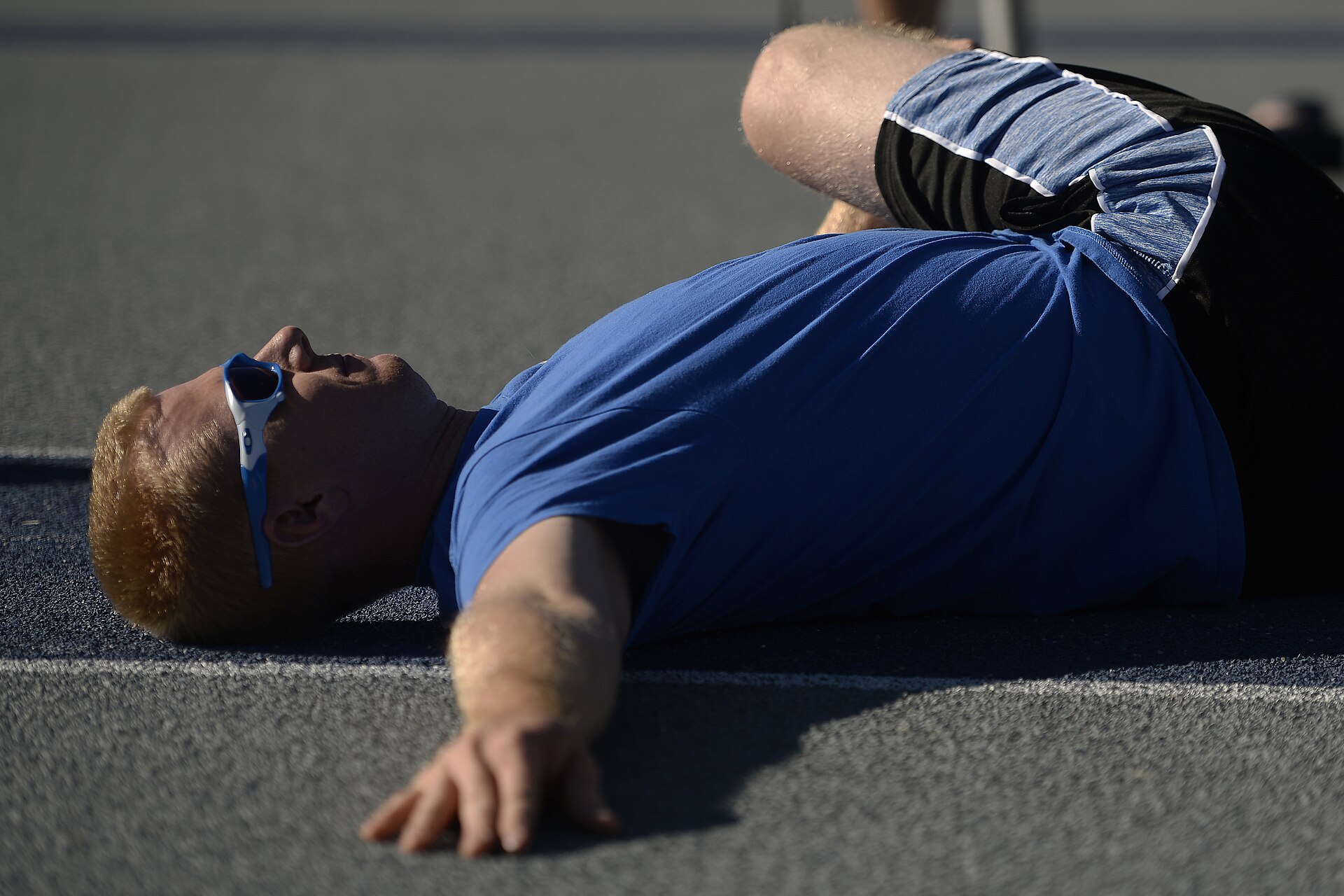
The Recovery Revolution: Sports Science Learns to Rest
Sleep, smart measurement and sensible loads: sports science now treats rest as half of training. What athletes know that amateurs can borrow.

Small Saving Habits That Actually Add Up Over a Year
No drastic overhaul required: automatic transfers, a leak audit and a few boring wins can quietly build real savings over twelve months.

The Psychology of Competition: What Elite Athletes Understand
Elite athletes treat pressure, failure and focus as trainable skills. What sports psychology reveals about routines, self-talk and performing when it matters.

Data Analytics Is Changing How Fans Follow Sport
Expected goals, win probabilities and live tracking data have changed how fans watch sport, turning broadcasts and apps into a second, analytical contest.
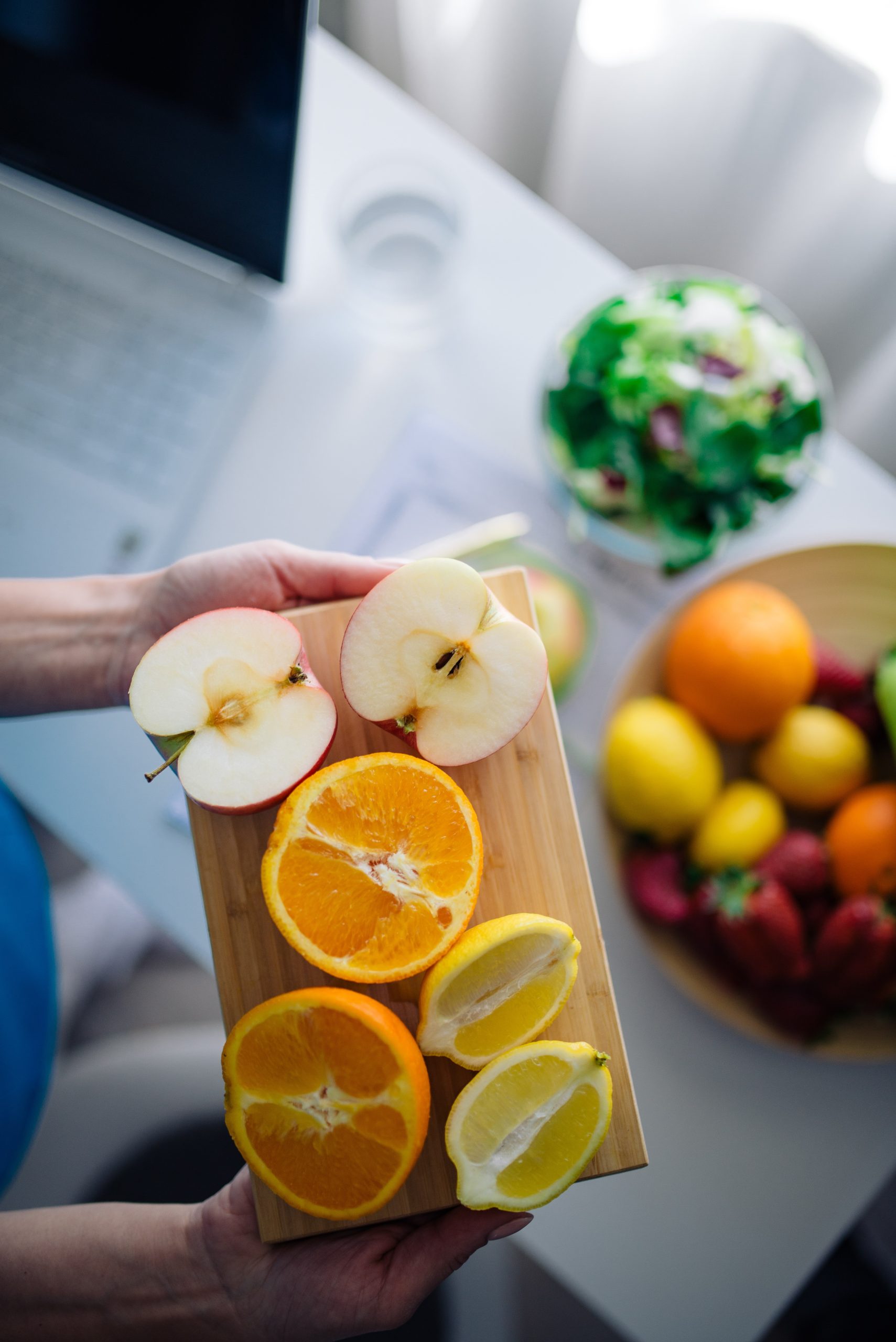
Teens Who Eat More Fruit Show Fewer Health Complaints
A three-year study that began with symptom-free twelve-year-olds found that one extra daily serving of fruit was linked to measurably better health outcomes.
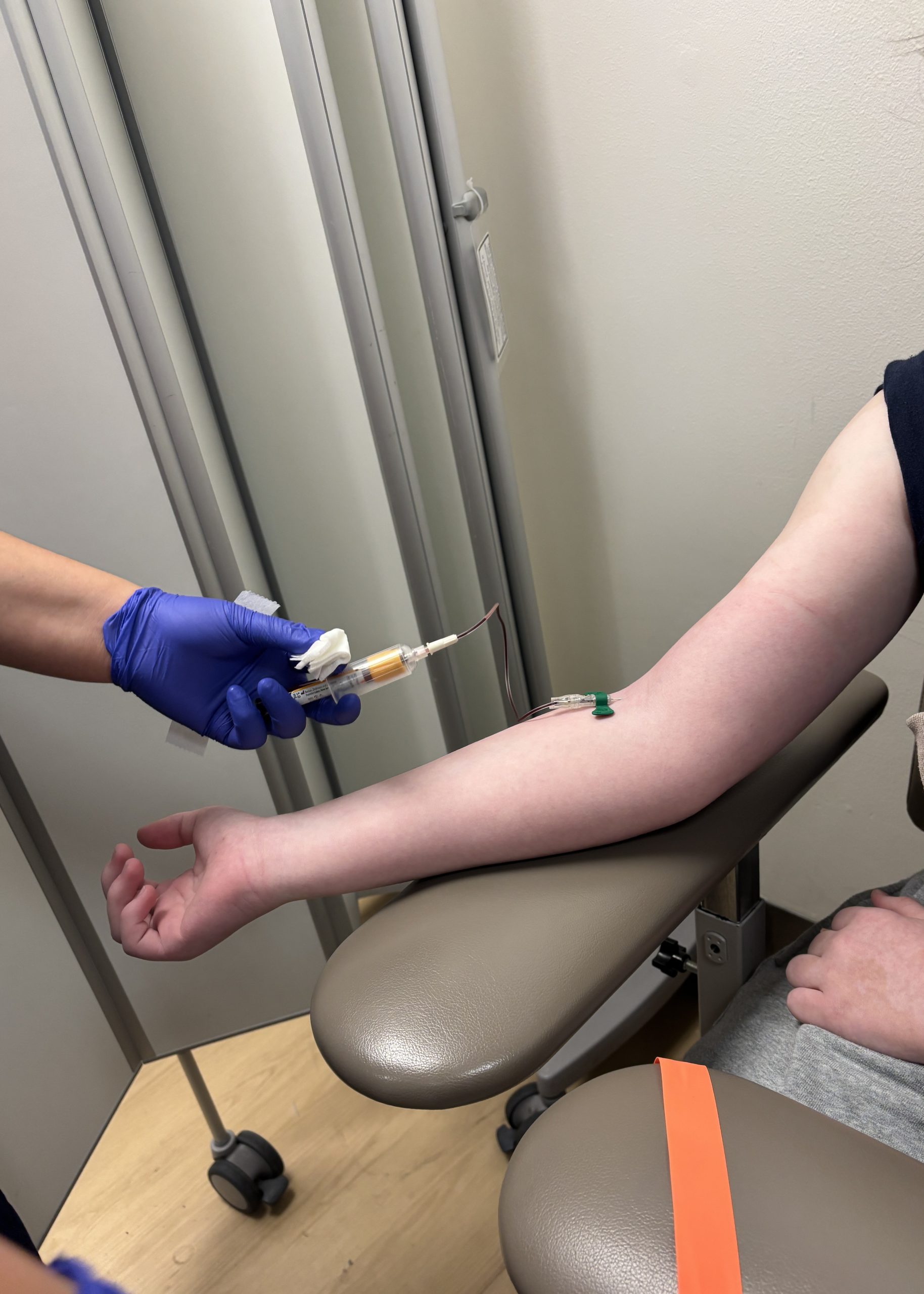
A Blood Test That Could Flag Crohn’s a Decade Before Symptoms
Researchers have found blood markers that appear years before Crohn’s disease is diagnosed — opening the door to prediction, monitoring and far earlier treatment.

Tracks in the Gallery: Exhibiting the Hunters of Ancient Lake Otero
Footprint trails at White Sands show Ice Age hunters crossing paths with giant sloths. How galleries and heritage sites exhibit that extraordinary evidence.
Small Business, Tight Credit: Budgeting When Borrowing Stays Dear
When borrowing stays expensive, small business budgeting changes: cash first, projects ranked by payback, and loans treated as purchases that must earn their keep.
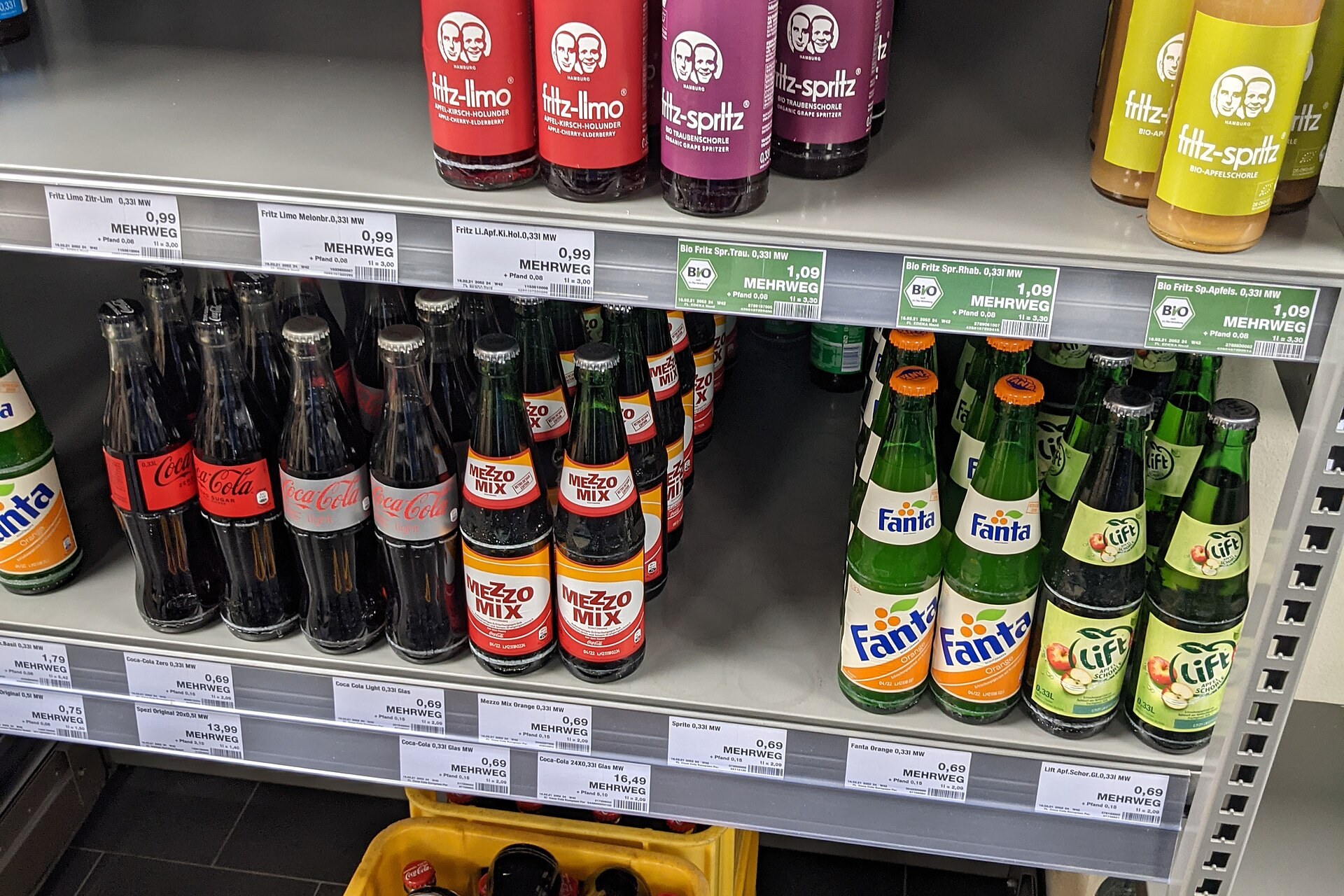
Nine in Ten Papers Disputing Ultra-Processed Food Definition Have Industry Ties, Study Finds
A new study finds nine in ten research papers disputing the definition of ultra-processed foods have industry ties, raising questions about labelling debates and how consumers should read nutrition claims.