
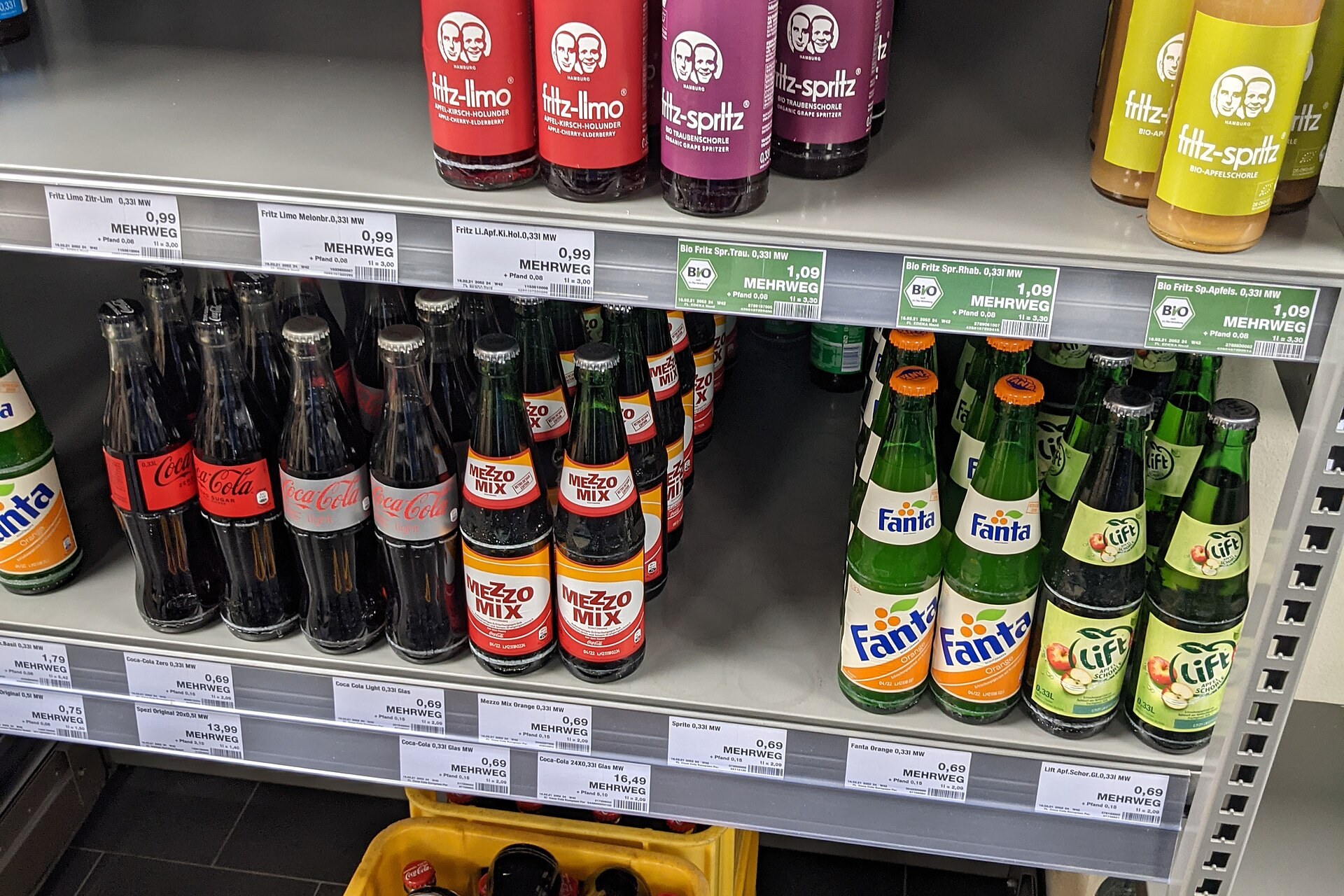
A new study has found that nine in ten research papers disputing the definition of ultra-processed foods have ties to the food industry, a finding that is likely to sharpen an already lively scientific argument. The result does not settle what shoppers should eat, but it does raise fair questions about who funds challenges to a definition that regulators increasingly use when they think about food labelling.
Ultra-processed foods are usually described using the NOVA classification, a system developed by researchers in Brazil that groups foods by the extent and purpose of industrial processing. Under NOVA, products such as soft drinks, packaged snacks, instant noodles and many ready meals fall into the most processed group, while fresh meat, vegetables, plain rice and milk sit at the minimally processed end.
What the New Study Looked At
The researchers examined published papers that questioned or disputed the ultra-processed definition and then checked the declared funding and affiliations behind them. In nine cases out of ten, they found links to food manufacturers or related industry bodies. That pattern matters because scientific definitions are not academic trivia: they shape dietary guidelines, warning labels and, in some countries, taxes and advertising rules.
Context on how regulators approach food standards can be found at the US Food and Drug Administration, and global nutrition guidance is published by the World Health Organization. Neither body treats any single study as the final word, which is precisely why the funding behind a stream of papers deserves scrutiny alongside the arguments those papers make.
Why the Definition Is Contested
Critics of the NOVA approach argue, in good faith and otherwise, that processing alone is a blunt tool. A fortified wholegrain bread and a sugary drink can both count as ultra-processed, even though their nutritional profiles differ sharply. Some scientists prefer systems based on nutrients such as salt, sugar and fat, which are easier to measure and compare across products.
Supporters reply that processing captures something nutrient scores miss: products engineered to be cheap, durable and easy to overeat, often replacing traditional meals altogether. Our earlier health coverage, including this recent coverage, has tracked how this debate keeps returning whenever governments propose clearer front-of-pack labels.
What This Does and Does Not Prove
An industry tie is not proof that a paper’s conclusions are wrong, and the study’s authors are careful on that point. Funding can shape which questions get asked, which results get published and how confidently doubts are promoted, without any researcher fabricating data. Readers should apply the same caution in reverse, too: a paper with public funding is not automatically correct.
It is equally important not to overclaim the health side of the argument. Large observational studies link diets high in ultra-processed foods with worse health outcomes, but such studies cannot fully separate processing itself from calories, income, lifestyle and overall diet quality. The honest summary is that the evidence base is growing, contested and worth reading with the funding declarations attached, as we noted in this related report.
Implications for Labelling and Shoppers
For policymakers, the finding strengthens the case for clear conflict-of-interest rules when expert panels advise on labels. If a definition influences warning symbols or marketing restrictions, the public is entitled to know which voices in the room are paid by the companies affected. Transparency does not end arguments, but it makes them fairer.
For consumers, the practical advice is refreshingly undramatic. Check who funded a striking claim before sharing it, favour foods you recognise as ingredients, and treat any headline, for or against ultra-processed products, as one piece of a larger puzzle. Definitions will keep evolving; a varied diet built mostly on minimally processed staples remains a sensible anchor while scientists argue.
One further point deserves emphasis for readers following this story over time. Scientific definitions are revised as evidence accumulates, and NOVA itself has been refined since it was first proposed. The presence of industry funding in the critical literature does not freeze the definition in place, nor should it. What it should change is the etiquette of the debate: disclose the money, argue the methods in the open and let independent replication, rather than volume of publication, carry the greatest weight with regulators and the public alike.